
Renovation
New Construction Cleanup Guide
New-build sites in Robinson Township, Coraopolis and beyond generate debris in phases. Here's how to plan container sizing and swaps for each one.
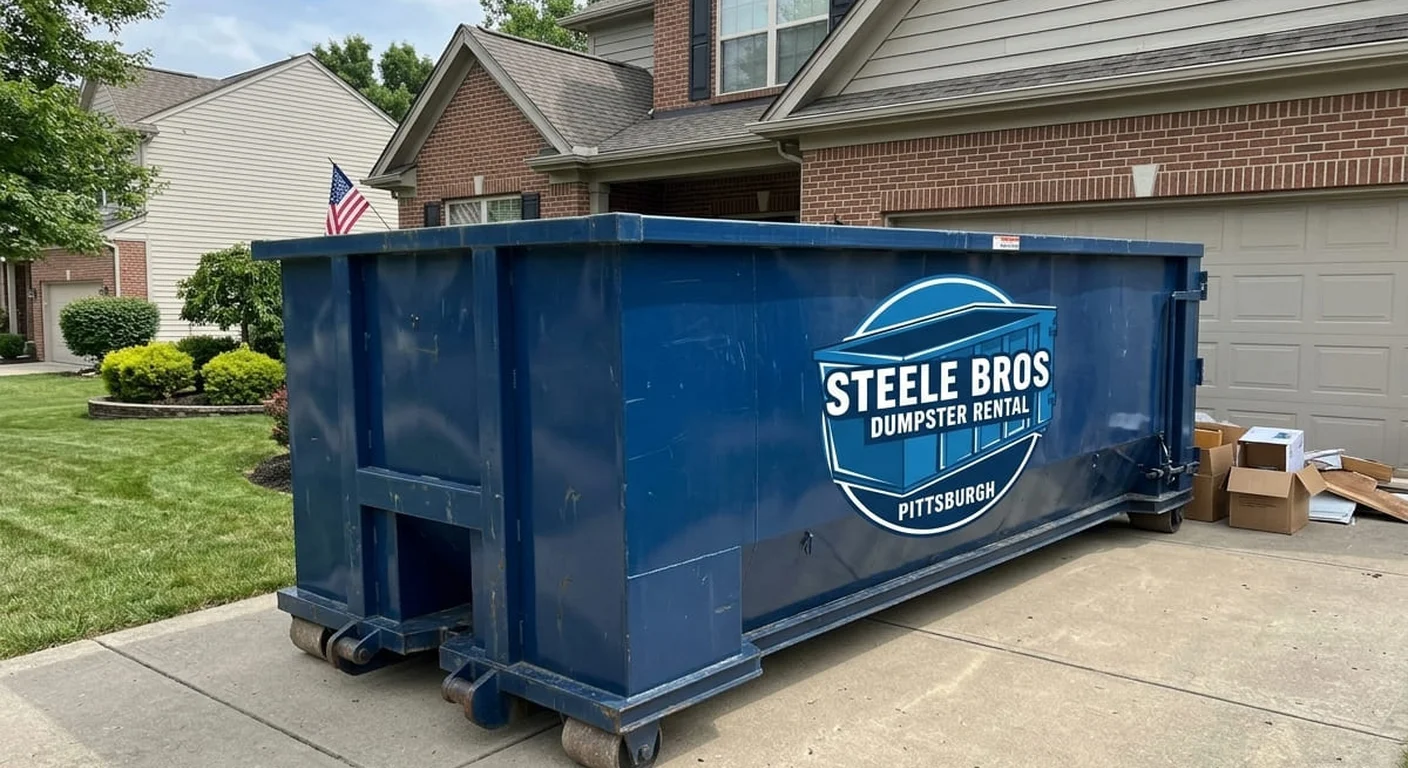
New construction generates debris differently than a renovation or a cleanout — it's continuous, it shifts character as the build moves through phases, and on a growing site like a new subdivision in Robinson Township or Coraopolis, the volume can be substantial. We connect builders with local, licensed and insured haulers who understand how to keep pace with an active build rather than treating it like a one-off container drop.
Debris Changes Phase by Phase
A new-construction site doesn't generate the same kind of debris from groundbreaking to final walkthrough. Planning container size and swap frequency around each phase, rather than using one generic setup for the whole build, keeps the site cleaner and avoids paying for capacity the current phase doesn't need.
| Build Phase | Typical Debris | Container Approach |
|---|---|---|
| Site prep & excavation | Tree clearing, brush, minor demolition | 20-30 yard, as needed |
| Framing | Lumber offcuts, packaging, house wrap scrap | 30-40 yard, moderate swap frequency |
| Rough-in (electrical, plumbing, HVAC) | Wire scrap, pipe offcuts, packaging | 20 yard, steady pace |
| Drywall & insulation | Drywall scrap, insulation packaging | 20-30 yard, denser load |
| Finish-out (flooring, trim, paint prep) | Flooring scrap, trim offcuts, packaging | 15-20 yard, slower pace |
| Final cleanup | Mixed light debris, packaging | 10-15 yard |
Site Access on New-Build Lots
Growth areas like Robinson Township and Coraopolis are generally easier for container placement than tighter, older parts of the city — wider lots, newer roads built with modern vehicle access in mind. But active construction sites still bring their own access issues: material staging, equipment parked on site, and changing ground conditions during excavation and site prep phases. Flag current site conditions when scheduling delivery, especially early in a build before the driveway or access road is finished.
Managing Multiple Lots
Builders working several lots in the same development at once benefit from coordinating container scheduling across the whole project rather than treating each lot as a separate call. We can help set up a rotating schedule so containers move between lots as each one hits its debris-heavy phase, keeping active job sites from waiting on truck availability. Our construction debris disposal guide covers multi-lot coordination in more detail.
Weight Considerations During Site Prep
Early-phase site work sometimes involves dirt, rock or masonry from foundation excavation. These materials are dense and hit weight limits fast — see our sizing guide for how volume and weight interact. It's worth sizing site-prep containers for tonnage specifically rather than assuming the same size works across the whole build.
Sequencing Deliveries With Your Build Schedule
The most efficient new-construction cleanup plans loop container scheduling into the same conversation as the rest of the build timeline. If your framing crew is scheduled to move fast, mention that when you book so swap frequency is planned ahead of time rather than reacted to. If a phase is likely to run behind — weather delays are common in Allegheny County's winter and early spring — flexibility on swap timing matters more than a rigid schedule.
Weather-Related Timeline Shifts
Pittsburgh's winter and early-spring weather — lake-effect snow, ice, freeze-thaw ground conditions — can push back site prep and foundation work on a new build more than builders in milder climates typically plan for. If your build schedule is weather-sensitive, keep that in mind when locking in a container schedule; we can adjust delivery and swap timing around delays without much notice in most cases.
Final Cleanup Before Walkthrough
The last phase before a buyer walkthrough or final inspection usually generates lighter, mixed debris — packaging, minor trim scrap, general site tidying. A smaller container for this final pass, rather than the large unit used during framing, is usually the more efficient choice.
Coordinating With Subcontractors
New builds involve a rotating cast of subcontractors — framers, electricians, plumbers, drywall crews, finish carpenters — each generating debris on their own timeline, not necessarily in the tidy phase order a schedule implies. It helps to designate one point of contact, usually the general contractor or site super, to communicate with the hauler about container status, since debris volume rarely maps perfectly onto the phase calendar once multiple trades are working a site at once.
Inspections and Container Placement
Municipal inspections during a new build sometimes require clear access to specific parts of the foundation or structure. If a container is sitting somewhere that could block an inspector's access, it's worth checking your inspection schedule against your container placement before delivery, particularly on tighter lots where placement options are limited to begin with.
Packaging Waste: An Underestimated Volume Source
New construction generates a surprising amount of packaging debris — cardboard, plastic wrap, banding material and pallet wood from delivered materials — that adds up faster than most builders expect, especially during framing and finish-out phases when fixture and appliance deliveries are steady. It's bulky rather than heavy, so it fills a container's volume without contributing much weight, which is worth factoring in separately from the denser structural debris when planning swap frequency.
End-of-Build Documentation
Keeping a rough log of container deliveries and swaps over the course of a build can be useful beyond just scheduling — some municipalities and lenders want documentation of waste handling as part of final project sign-off, particularly on larger commercial or multi-unit builds. It's a small habit to maintain during the build and can save time tracking down records after the fact.
Planning Your Build's Container Schedule
Call (412) 850-4148 and walk us through your build timeline, lot location and expected pace. We'll help you plan a container schedule that tracks your actual construction phases across Robinson Township, Coraopolis, and every growth area we serve in Allegheny County.
Need a container in Pittsburgh or anywhere in Allegheny County? Call (412) 850-4148 and describe the job. We will name the size, the flat rate and a delivery slot — often the same day. No forms, no waiting on an email.